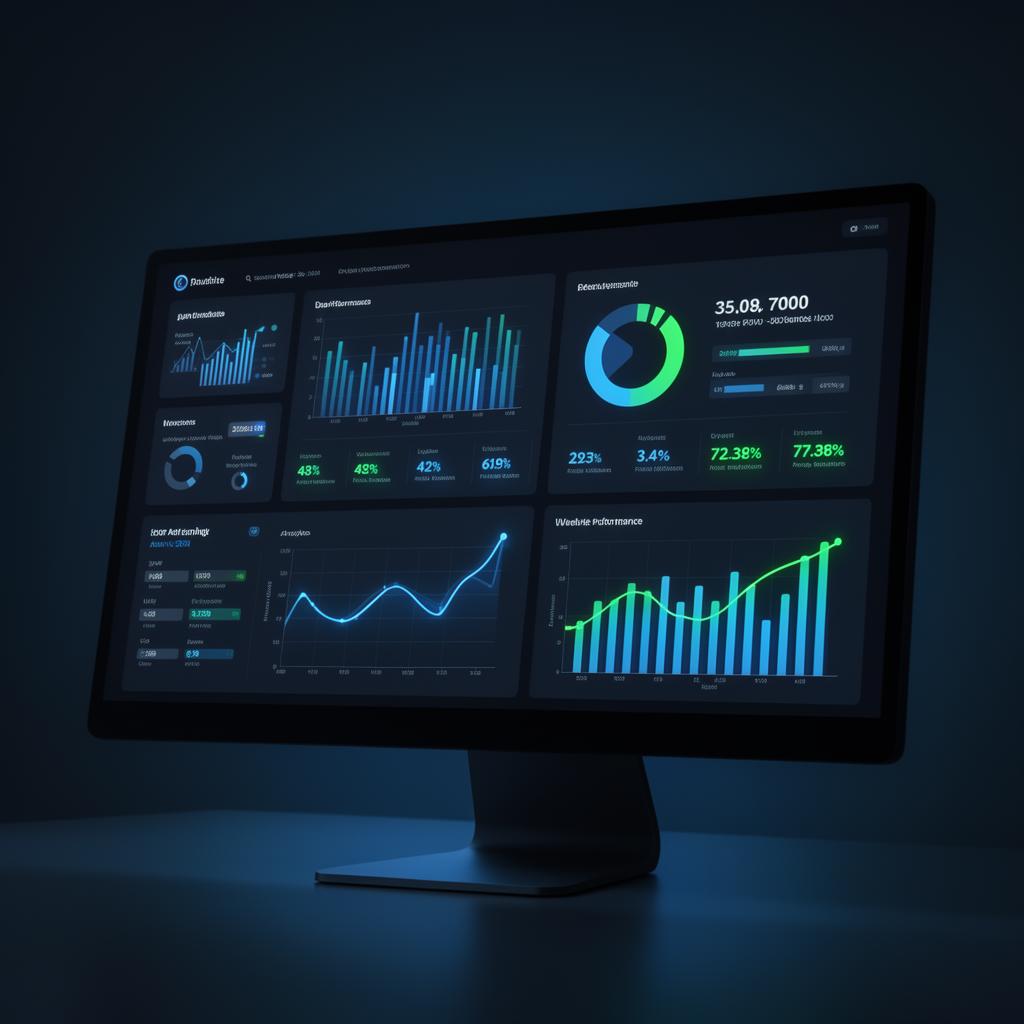
Every website tells a story through its data. The question is: are you reading the right chapters?
Most businesses install Google Analytics, glance at pageviews and bounce rates, and call it a day. But those vanity metrics are the equivalent of counting how many people walked past your store window — they tell you almost nothing about who came in, what they looked at, and why they did or didn't buy.
In 2026, the businesses winning the digital game are the ones treating website analytics as a revenue tool, not a reporting checkbox. And the tools they're using have evolved far beyond the bloated, privacy-invasive platforms of the past.
The Problem With Traditional Analytics
Google Analytics has been the default for two decades. And for two decades, marketers have been drowning in dashboards full of data they don't actually use.
Here's what most traditional analytics platforms get wrong:
The result? Most businesses are flying blind while staring at a screen full of numbers.
What Modern Analytics Should Actually Track
The shift in analytics isn't about collecting *more* data. It's about collecting the *right* data and making it instantly actionable.
Here's what matters for direct response marketers and growth-focused businesses:
1. Real User Behavior, Not Just Page Loads
Modern analytics tools track clicks, scrolls, form interactions, and navigation patterns — the micro-behaviors that reveal user intent. When you can see that 70% of visitors click your CTA but abandon the form at the phone number field, you have a specific, fixable problem.
Tools like Page Pulse are built specifically for this — lightweight tracking that captures meaningful user interactions without the bloat of enterprise analytics suites. It gives you click tracking, session tracking, and real-time visitor insights in a script that takes 30 seconds to install.
2. Session-Level Intelligence
Individual pageviews are meaningless in isolation. What matters is the session: where did the visitor come from? What pages did they view in what order? How long did they actually engage (not just leave a tab open)?
Session-based analytics let you understand the customer journey from first touch to conversion — or from first touch to abandonment, which is often more valuable.
3. Source Attribution That Works
Every marketer needs to answer one question: which channels are actually driving revenue? Not clicks. Not impressions. Revenue.
Modern analytics platforms connect the dots between your media buys, your landing pages, and your conversions. When you can see that visitors from a specific PPC campaign convert at 3x the rate of organic traffic, you know exactly where to shift your budget.
4. Privacy-First by Design
The analytics tools winning market share in 2026 are the ones that respect user privacy by default. No cookie banners required. No personal data harvested. Just clean, aggregated behavioral data that tells you what's working.
Page Pulse takes this approach — session and visitor tracking without invasive personal data collection, giving you the insights you need while staying compliant with global privacy regulations.
How to Build an Analytics-Driven Marketing Strategy
Having the right tools is step one. Here's how to build a strategy around your data:
Step 1: Define Your North Star Metrics
Before you look at any dashboard, answer this: what does success look like? For most direct response businesses, it comes down to:
Everything else is a supporting metric. If a number doesn't connect back to one of these four, it's noise.
Step 2: Instrument Your Funnel
Track every step of your conversion funnel — not just the start and end. That means:
This is where lightweight tools shine. Page Pulse automatically captures clicks and pageviews across your entire site with a single script, so you're not spending weeks on custom event configuration.
Step 3: Review Weekly, Act Monthly
Data without action is just decoration. Set a weekly review cadence where you look at:
Then make one strategic change per month based on what you see. Small, data-driven iterations compound into massive results over time.
Step 4: Connect Analytics to Creative
Your analytics should directly inform your creative testing strategy. If your data shows that visitors from social media bounce quickly, that's a signal that your social media ad creative isn't matching your landing page experience.
When analytics and creative work together, you stop guessing and start optimizing.
The Bottom Line
Website analytics isn't about having more dashboards — it's about having clearer answers. The businesses that thrive in 2026 and beyond will be the ones that track what matters, ignore what doesn't, and use their data to make faster, smarter decisions.
If you're still relying on bloated analytics platforms that take weeks to configure and months to understand, it's time to upgrade. Lightweight, privacy-first tools like Page Pulse give you the signal without the noise — so you can focus on what you do best: growing your business.
Ready to get your analytics strategy dialed in? Let's talk about how to turn your data into a competitive advantage.